
-17.png?w=2304&h=1296)
How the Loafer Became a Men's Wardrobe Essential
The loafer is one of the most recognizable styles in men's footwear today. Its slip-on construction, clean silhouette, and versatility have allowed it to remain relevant through generations of changing fashion.
What began as a relatively practical style has gradually become an important part of modern luxury menswear.

What Makes a Loafer Different?
Unlike traditional lace-up dress shoes, loafers do not require laces or complicated fastening systems. The foot simply slides into the shoe, creating a more relaxed wearing experience.
At the same time, a well-designed loafer can maintain the structure and elegance associated with traditional dress footwear.

From Casual Footwear to Modern Luxury
Early loafers were often associated with relaxed and everyday dressing. Over time, designers began experimenting with leather quality, silhouettes, decorative details, and sole construction.
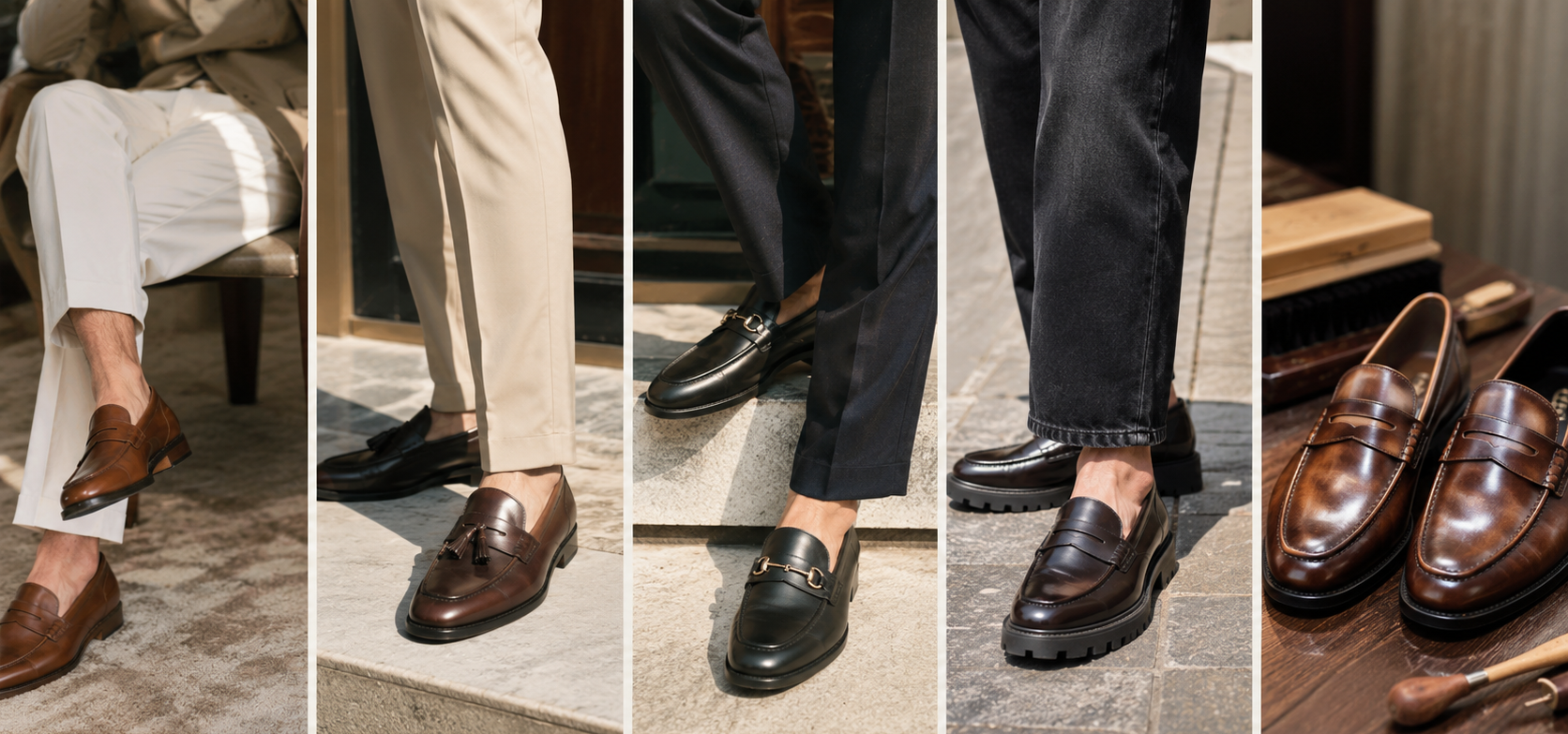
This evolution created many different interpretations, including:
- Penny loafers
- Tassel loafers
- Horsebit loafers
- Chunky sole loafers
- Handcrafted leather loafers
Each variation offers a different balance between classic and contemporary style.
Why Loafers Continue to Be Popular
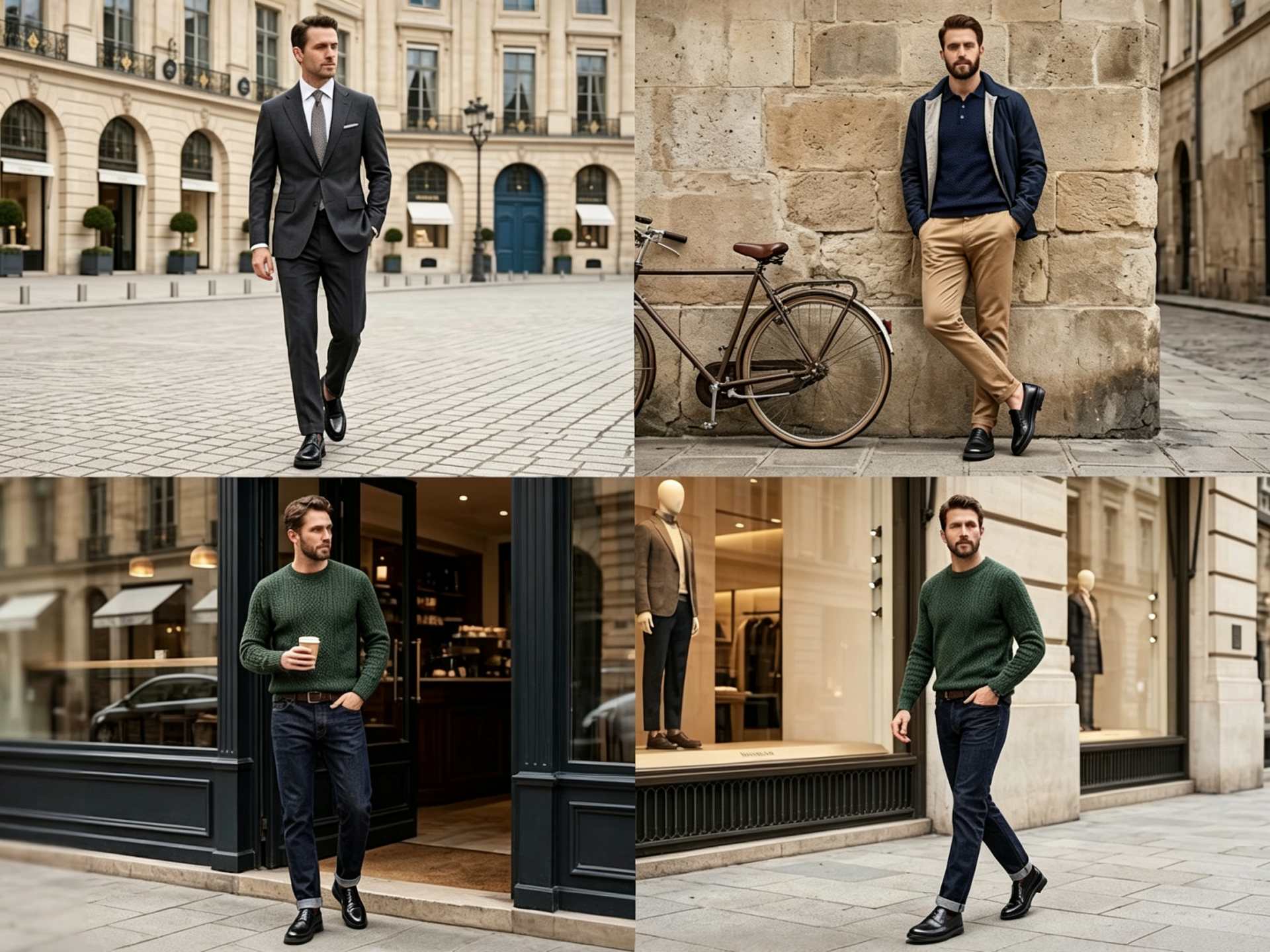
The biggest advantage of the loafer is versatility.
A quality pair can be worn with:
- Tailored trousers
- Chinos
- Jeans
- Suits
- Knitwear
This makes loafers particularly appealing to men who prefer a smaller but more versatile wardrobe.
The Modern Loafer
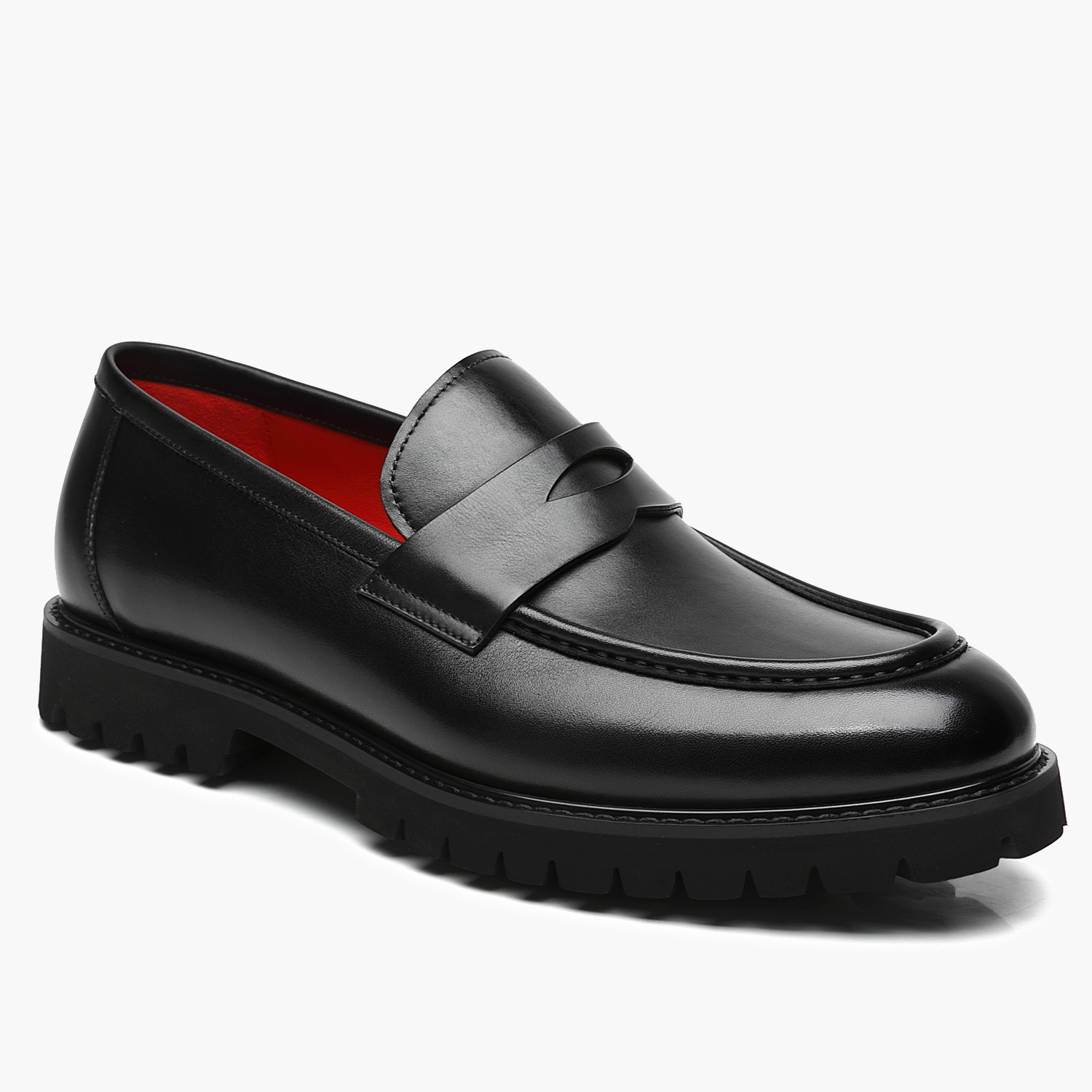
Today's premium loafers combine traditional silhouettes with modern materials and construction.
Handcrafted leather, structured soles, refined finishing, and carefully balanced proportions allow the classic loafer to fit naturally into contemporary menswear.

Final Thoughts
The history of the loafer is ultimately a story of adaptation. While the basic concept remains simple, modern craftsmanship continues to reinterpret the silhouette for today's men.
That combination of tradition and versatility is exactly why loafers remain a timeless footwear choice.